

How Iran is using crypto and Yuan to control the Strait of Hormuz
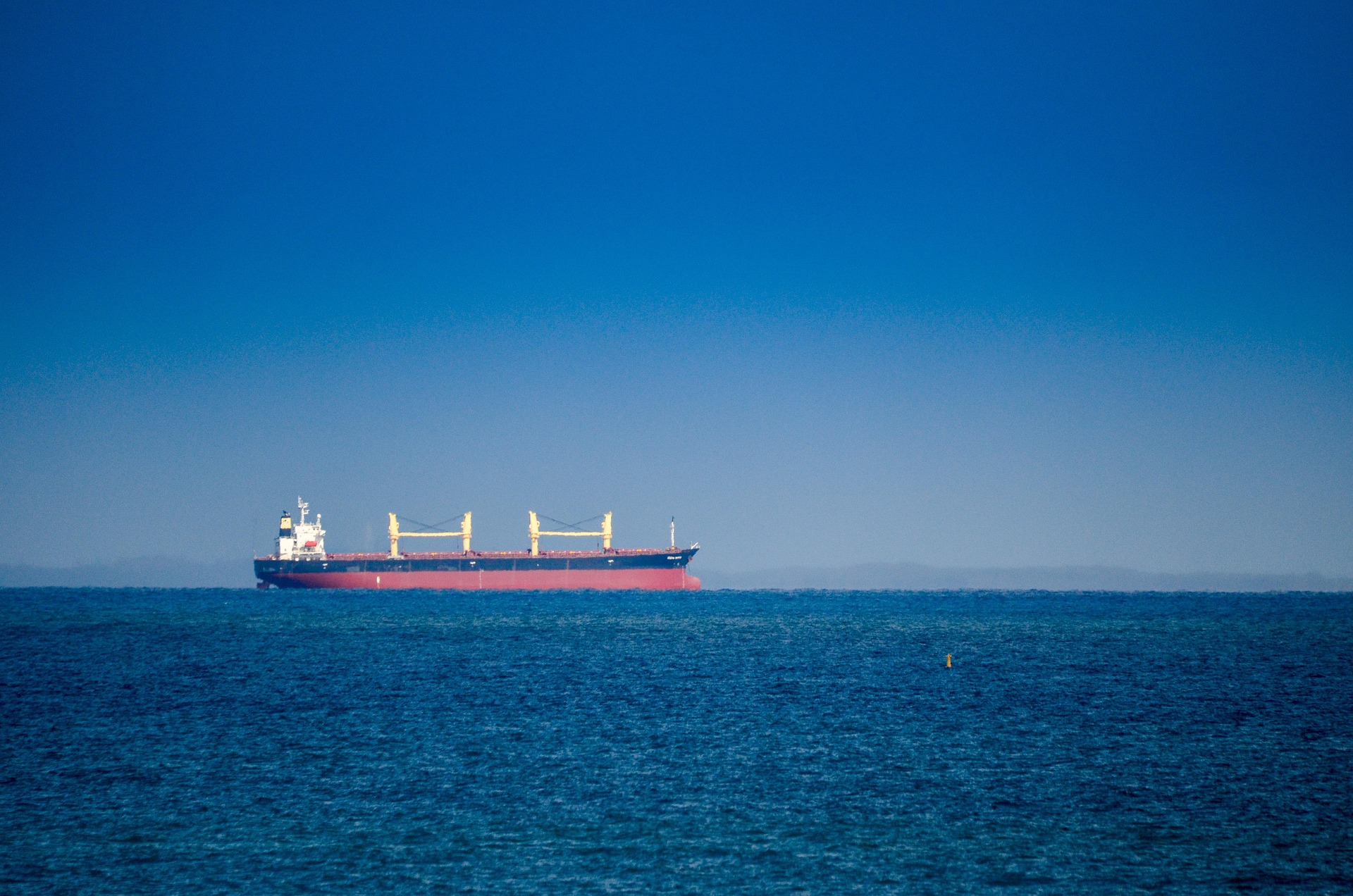
The Strait of Hormuz is a critical maritime route through which about 20 percent of global seaborne crude oil and liquefied natural gas volumes pass. Recently, Iran has established what amounts to a formalized toll system at the strait, accepting Chinese yuan and cryptocurrencies, specifically stablecoins, as payment for naval escort through the waterway. This system, administered through an intermediary linked to the Islamic Revolutionary Guard Corps (IRGC), requires ship operators to submit documentation for geopolitical vetting before receiving passage.
To navigate the strait safely, ship operators must provide comprehensive details, including ownership, flag, cargo, destination, crew information, and AIS tracking data, to the IRGC-linked intermediary. The IRGC Navy then conducts sanctions screening, checking for ties to the United States, Israel, or other adversarial nations. Access depends heavily on whether Iran considers the vessel’s country to be friendly, with differentiated passage terms applied based on this friendliness ranking. Once a vessel clears these checks, toll negotiations begin, with oil tankers facing a starting rate of around US$1 per barrel. This means a single fully loaded supertanker carrying 2 million barrels could face charges approaching US$2 million, though empty tankers are allowed to pass freely. Vessels that pay are assigned a passage code and route, and then pass through the strait escorted by the Iranian navy or patrol boats. Those attempting to transit without permission have received radio broadcasts warning they will be targeted and destroyed.
The decision to demand payments in yuan and stablecoins is a deliberate move by Iran to reduce its exposure to the US dollar system and limit the risk of funds being frozen under international sanctions. Yuan settlements entirely bypass the SWIFT-dependent dollar clearing system, and at least two vessels have already completed yuan-denominated payments. Furthermore, stablecoins, while referencing dollar value, transfer on blockchain rails that bypass correspondent banking, eliminating price volatility between invoice and settlement. Iran is also allowing payments in Bitcoin, giving vessels just a few seconds to pay after assessment to ensure the funds cannot be traced or confiscated.
This development represents something structurally distinct from Iran’s earlier, informal blockade enforcement, suggesting an institutionalized mechanism for extracting revenue from a sanctions-constrained chokepoint. The move is fueling unease in global energy markets. The immediate consequence is severe supply chain gridlock, notably exacerbated during a recent two-week ceasefire. The clearance process is quite time-consuming, meaning only 10 to 15 ships might be able to transit per day, a stark drop from 135 ships before the war. Consequently, industry executives estimate an enormous “car park” of 300 to 400 ships waiting to exit the Gulf, with around 175 million barrels of crude and refined products loaded onto waiting tankers.
Beyond the logistical nightmare, experts note that this measure lacks a clear basis under international law, and dealing with the heavily sanctioned IRGC creates substantial legal and anti-money laundering risks. If this toll mechanism scales, it also creates direct enforcement pressure on stablecoin issuers like Tether and Circle. Geopolitically, allowing Iran to control this crucial waterway is highly unpalatable to Gulf states like Saudi Arabia, Qatar, and the UAE, with Saudi commentators calling it a “red line”. Furthermore, handing Tehran control over Hormuz fundamentally alters the balance of power within the OPEC+ organization by giving Iran a potential veto over rival members’ exports. With US President Donald Trump insisting that a ceasefire hinges on the complete, immediate, and safe opening of the strait, the fate of this critical transit route remains one of the thorniest issues in international diplomacy.

Related Blogs
Related posts

Mastercard’s agentic payments take flight in ASEAN
How cross-border QR payments are reshaping Asia’s digital economy

How stablecoins are quietly rewiring the plumbing of global finance

Stripe’s potential buyout of PayPal is a sign of the times