

How cross-border QR payments are reshaping Asia’s digital economy
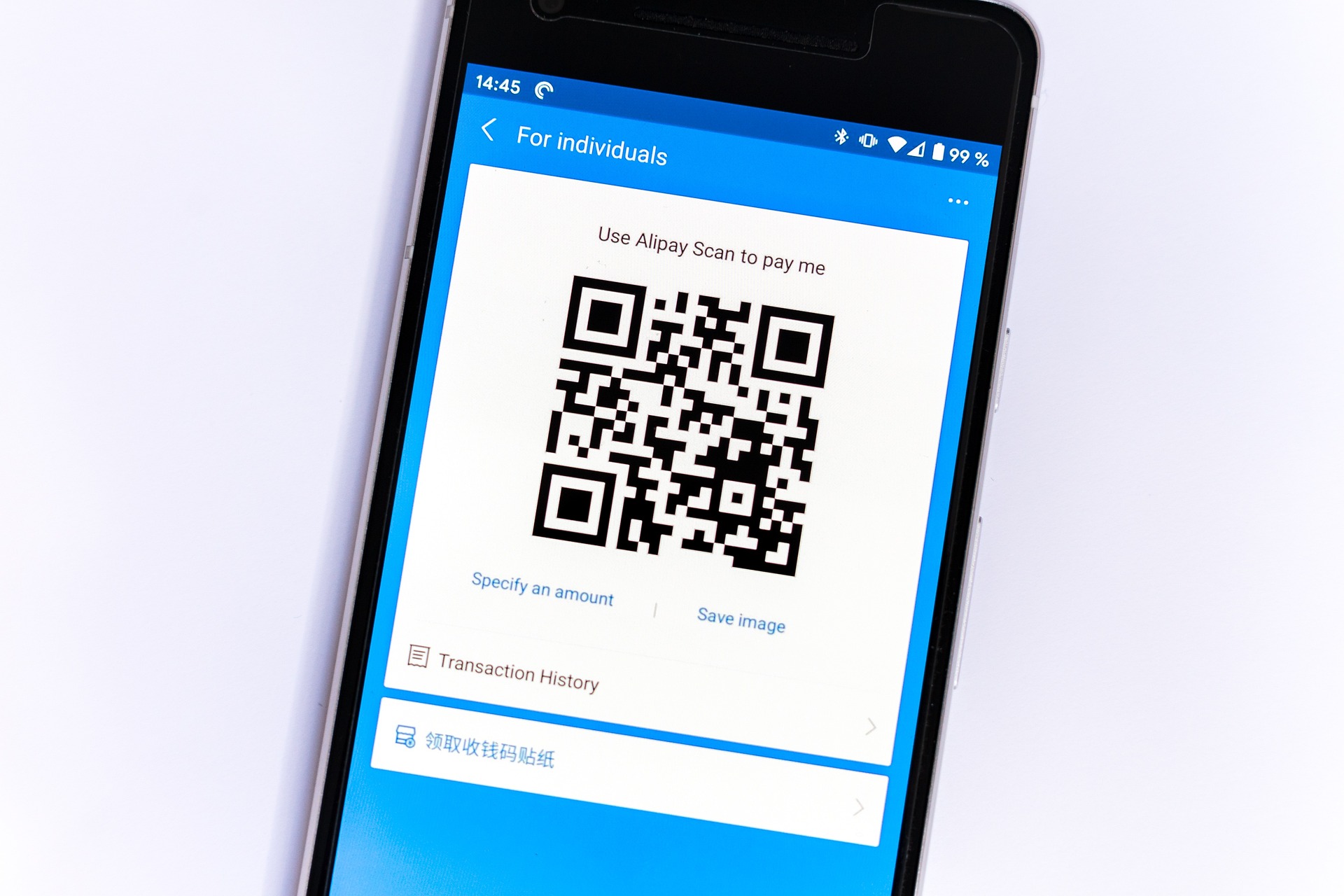
The landscape of international travel and trade in Asia is undergoing a quiet revolution, driven not by new currencies, but by the cameras on our smartphones. The recent news that ShopeePay is enabling overseas QR payments for Singapore travelers with Alipay+ perfectly illustrates this shift. Through this integration, Singaporean users can now scan merchant QR codes to pay at over 150 million merchants across more than 100 markets, entirely bypassing physical cash and traditional currency exchange.
This move, marking ShopeePay’s first cross-border payments offering, is highly emblematic of a much larger trend. Across Asia, cross-border QR payment connectivity is surging, gaining immense traction driven by consumer demand and proactive policy support.
The appeal of QR-based payments extends far beyond simple convenience. For governments and central banks, QR codes serve as vital instruments for building cashless societies and driving financial inclusion.
- Financial Inclusion: Rising smartphone usage and digital literacy make QR codes a low-cost, accessible entry point for unbanked populations.
- Tourist Convenience: Travelers increasingly prefer using their home e-wallets abroad.
- Cost Efficiency: Consumers see prices in their local currency while merchants are paid in theirs, effectively cutting out complex conversion costs.
- SME Empowerment: Small and medium enterprises (SMEs) can accept foreign payments using existing domestic QR codes without needing expensive card infrastructure.
- Improved Cash Flow: Settlement is near-instant, fees are lower, and cash flow improves for local businesses.
For the Association of Southeast Asian Nations (ASEAN), these interconnected systems are the cornerstone of a Regional Payment Connectivity agenda. The goal is to lower transaction costs, promote the use of local currencies, and lay the foundation for a projected US$1 trillion digital economy.
The region has moved rapidly from domestic systems (like Singapore’s SGQR or Malaysia’s DuitNow) to real-time cross-border linkages. The earliest major milestone was the PayNow-PromptPay corridor between Singapore and Thailand, which served as the world’s first real-time QR linkage and a model for future connections.
To understand the scale of this integration, here is a snapshot of active bilateral linkages between real-time payment (RTP) systems in the region:
| Country 1 | RTP System 1 | Country 2 | RTP System 2 | Status |
| Singapore | FAST | Malaysia | DuitNow | Active |
| Singapore | FAST | Thailand | PromptPay | Active |
| Indonesia | QRIS | Singapore | FAST | Active |
| Thailand | PromptPay | Malaysia | DuitNow | Active |
| Cambodia | Bakong | Vietnam | VietQR | Active |
While bilateral links provide immediate value, they can become difficult to scale. To address this, multilateral initiatives are emerging, most notably Project Nexus.
- A New Architecture: Launched by the BIS Innovation Hub alongside ASEAN central banks, Project Nexus replaces complex bilateral links with a hub-and-spoke model.
- Simplified Connection: Each instant payment system connects just once to a central gateway, immediately gaining access to all other connected networks.
- Future Rollout: With India, Malaysia, the Philippines, Singapore, and Thailand already onboard, the initiative is on track for a rollout this year.
China is also playing a critical architect role in regional standards. It recently launched a unified QR framework for foreign wallets and developed a “Cross-Border Interconnection Gateway” via UnionPay International to reduce integration costs and enhance interoperability globally.
Despite the robust early adoption; such as Malaysia recording 11.8 million cross-border QR transactions worth RM967 million in the first half of 2025; challenges remain.
Interoperability frequently faces hurdles from fragmented standards and legacy banking structures, while foreign exchange (FX) settlement can be opaque and costly. Furthermore, cybersecurity risks, such as phishing and fake QR codes, require rigorous fraud detection and public education.
Looking ahead to 2030, ASEAN envisions a fully integrated, seamless QR zone connected to partners like the EU, India, and China. Innovators are already exploring how QR networks could act as the “front-end rails” for Central Bank Digital Currencies (CBDCs), integrating programmable features like automated tax collection to further boost efficiency.
Ultimately, cross-border QR payments are no longer pilot programs; they are an essential web of interoperable systems actively redefining global payment architecture and positioning Asia at the forefront of financial innovation.

Related Blogs
Related posts

Mastercard’s agentic payments take flight in ASEAN

How Iran is using crypto and Yuan to control the Strait of Hormuz

How stablecoins are quietly rewiring the plumbing of global finance

Stripe’s potential buyout of PayPal is a sign of the times